Trusted by









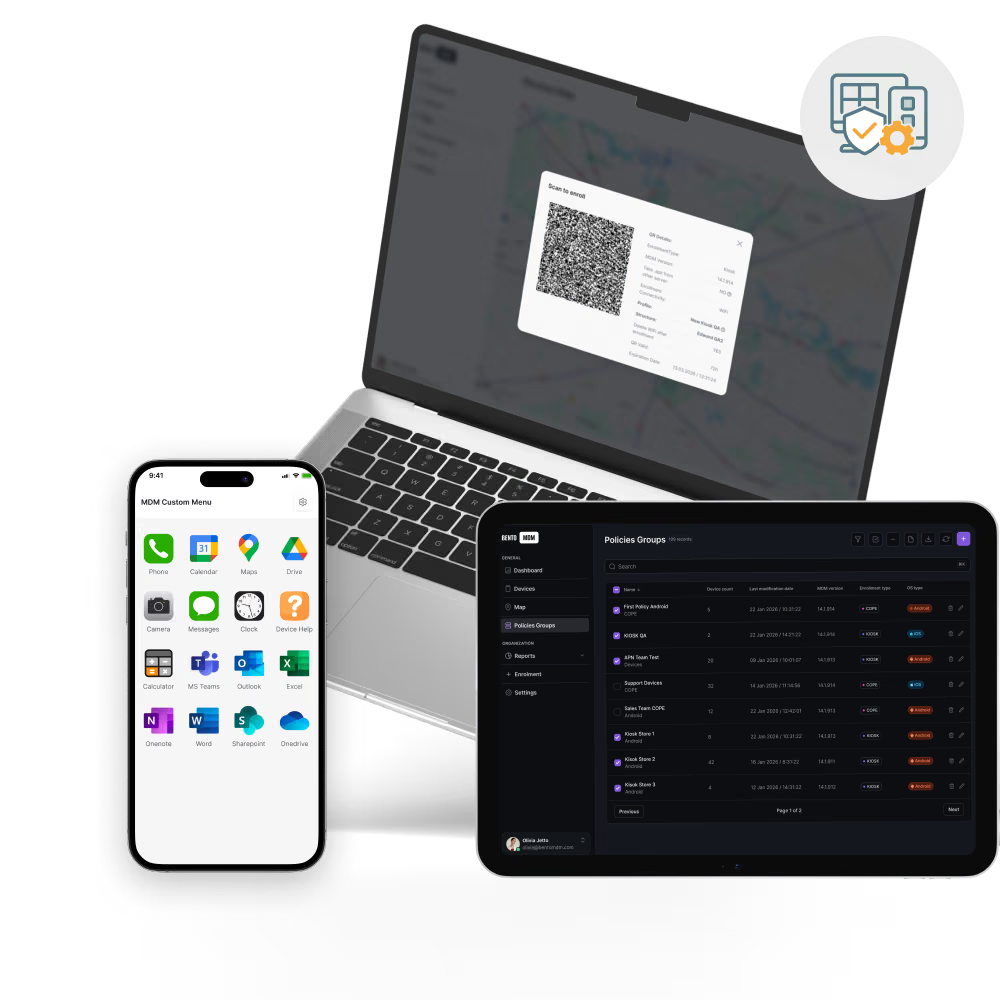
Workstations, servers, edge devices, and Linux kiosks all enroll in one console, no separate tool per device class.

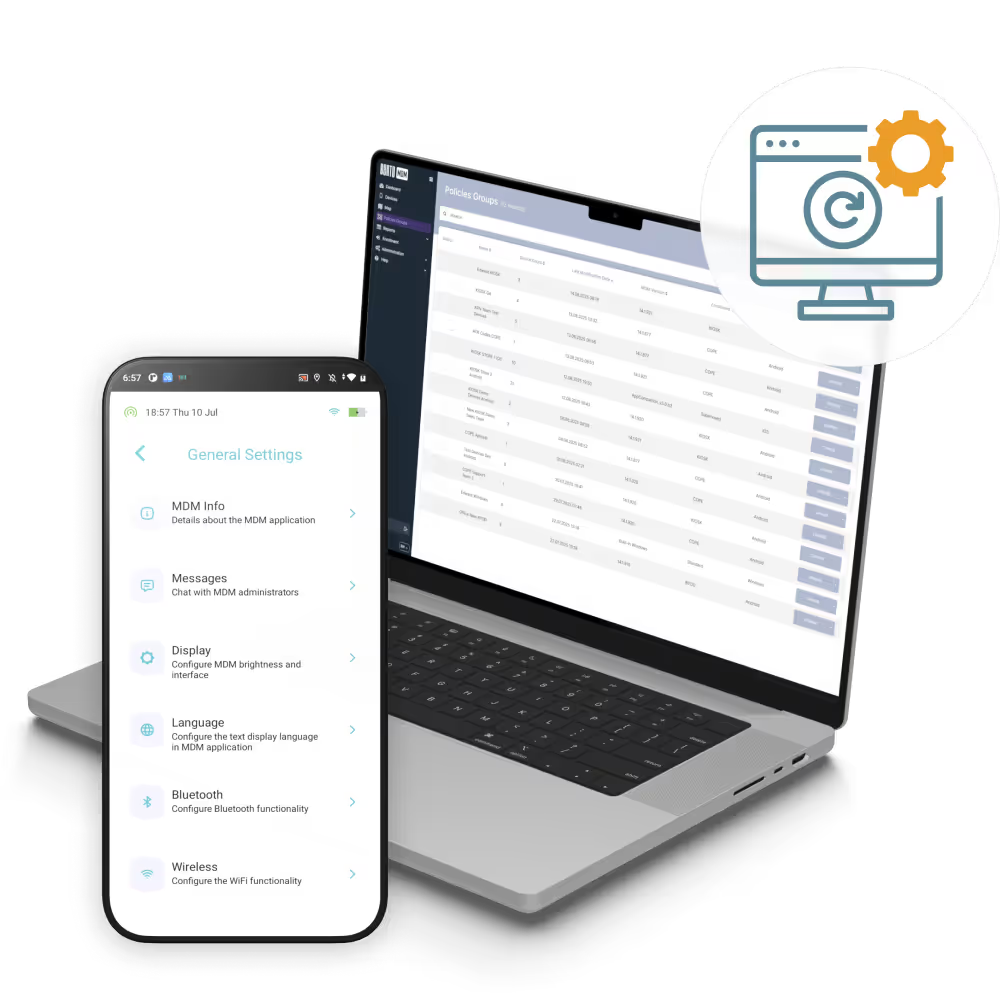
Schedule kernel and package updates in maintenance windows so production servers stay patched without disruption.

Push shell scripts and config changes to thousands of endpoints at once, with per-device execution status.

Reach unattended servers and remote Linux devices through a secure agent, no physical access required.
Linux endpoints onboard through a lightweight agent or pre-staged image, applying configuration, identity, and access policy on first boot.

Schedule kernel, distro, and package updates for off-hours so Linux servers and workstations stay patched without disrupting users.
Push shell scripts and ad-hoc commands across the Linux fleet with per-device execution logs and rollback-friendly batching.

Apply firewall, SSH, sudo, and disk-encryption rules consistently across distros, with role-based admin access and audit trails.

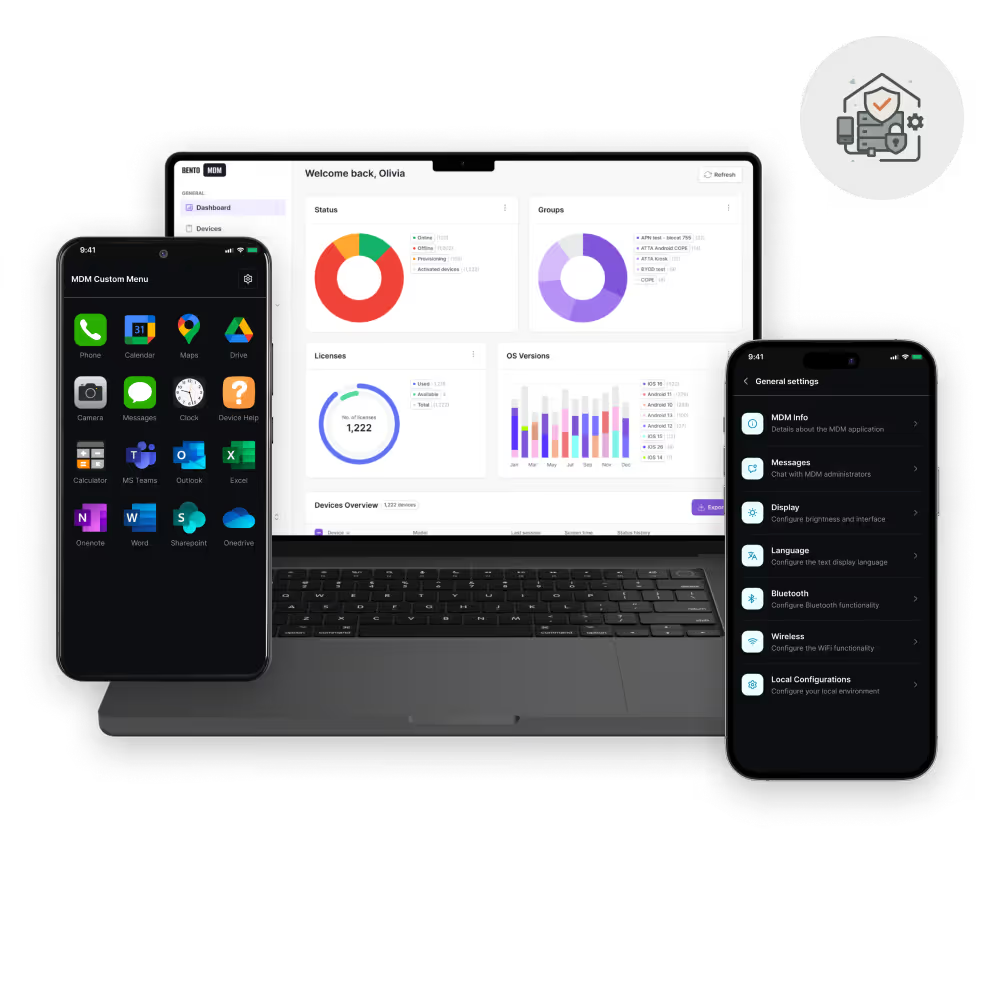
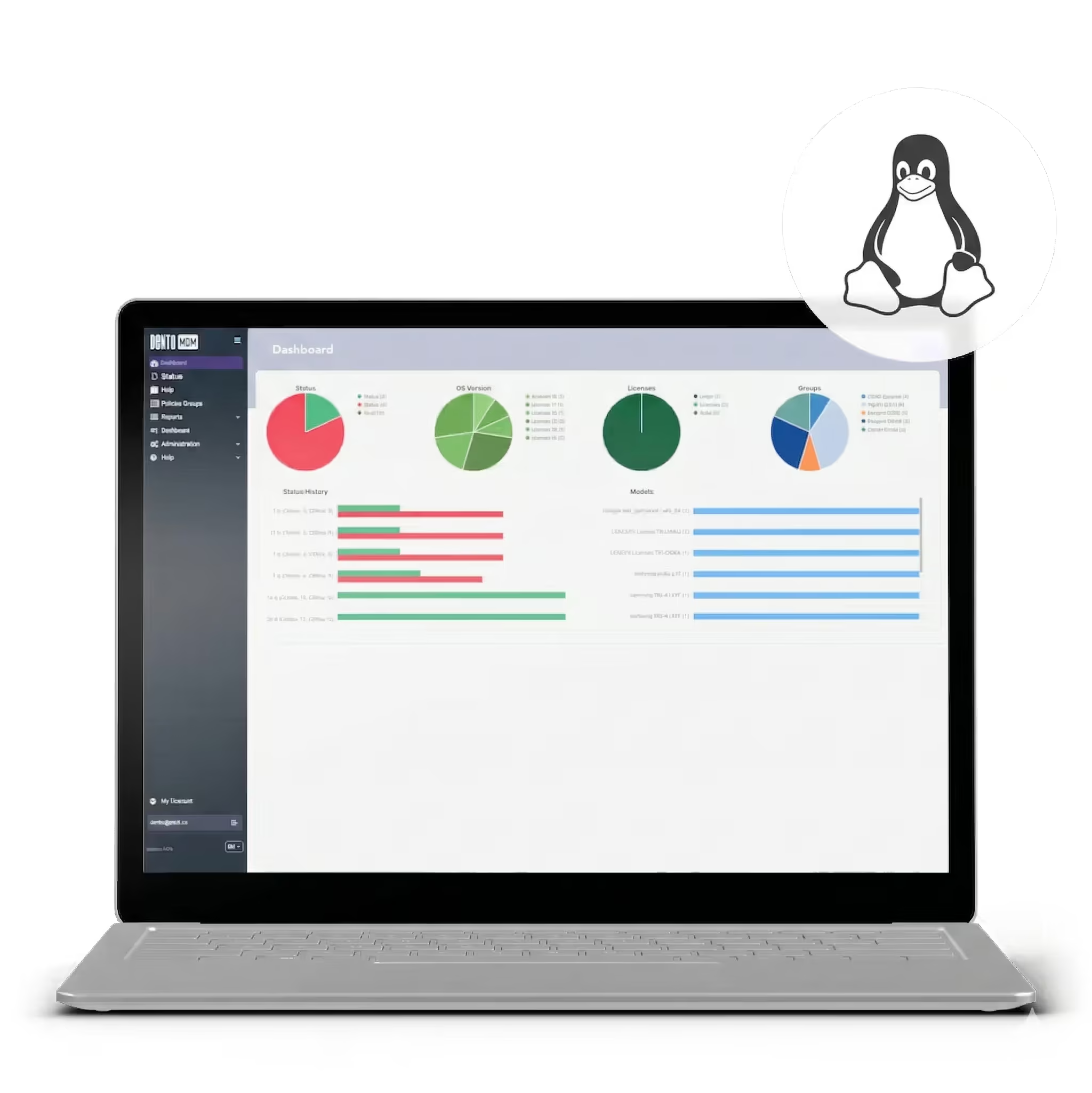
Stream CPU, memory, disk, and service-state telemetry from every Linux endpoint to one dashboard, with alerts on drift or downtime.
Track installed packages, kernel versions, encryption state, and configuration drift, and export audit-ready reports per device or group.

Keep every Linux workstation, server, and edge device enrolled, patched, and policy-compliant with scheduled updates, remote scripts, and live telemetry from one console.



Production Linux servers in data centers and cloud regions get scheduled kernel and package updates inside change windows, with rollback-friendly batched execution.


Headless Linux boxes in regional offices receive remote configuration and patches through the agent, so IT recovers them without flying anyone to the site.


Engineering teams get preloaded toolchains, dotfiles, and SSH/sudo policies on day one, with package updates scheduled around build cycles.

Linux-based sensors, gateways, and robotics receive signed configuration updates and telemetry collection over the network, with offline queueing for intermittent links.
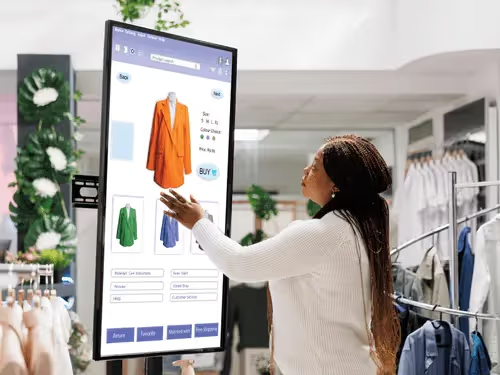
Public-facing Linux kiosks and signage screens get OS lockdown, scheduled content refreshes, and remote reboot, so customer-facing displays never go stale.

POS terminals running Linux distros receive pricing, payment-app, and security updates fleet-wide with uptime monitoring during trading hours.
%201.avif)
GDPR
Compliant

99.9%
Uptime

ISO 27001
Compliant

HIPAA
Compliant

"With Bento MDM and FSM, we efficiently manage over 700 devices, automate workflows, and improve communication between field teams."
Cristian Bordescu
Operations Director


“Our collaboration with Bento on migrating over 2,000 DPD devices was exceptional. Their openness, flexibility, and constant support stood out throughout the project. Their quick adaptation to challenges and solution-oriented approach made all the difference, a truly reliable and professional partner.”
Valentina Ionescu
CIO, DPD
https://www.linkedin.com/in/valentina-ionescu-45a117bb
https://www.facebook.com/DPDRomania/
https://www.linkedin.com/company/dpd-romania/
https://www.dpd.com/
https://ro.wikipedia.org/wiki/DPD_Romania

"Bento Field Service Management and Mobile Device Management helped us streamline field interventions, secure mobile devices, and increase operational transparency."
Simona Gigiu
Business Line Director


What is Linux Device Management?
Linux Device Management lets IT teams enroll, configure, patch, and support Linux endpoints from one console. Bento MDM covers Linux workstations, servers, edge devices, and kiosks across distros from the same platform.
Which Linux distributions does Bento MDM support?
Bento MDM supports the major enterprise distros, including Ubuntu, Debian, RHEL, CentOS Stream, Rocky Linux, Fedora, and SUSE. Distro coverage is reviewed in the docs and updated as new versions ship.
How are Linux endpoints enrolled?
Linux endpoints enroll through a lightweight agent installed by package manager, deployment script, or pre-staged image. The agent applies configuration, identity, and policy on first boot.
Can Bento MDM manage headless Linux servers?
Yes. Headless servers enroll the same way as workstations and can be patched, scripted, and audited without console access. Admins reach them through the agent over the network or VPN.
How does patch scheduling work on Linux?
Bento MDM schedules kernel and package updates inside admin-defined maintenance windows, with batched rollouts and rollback-friendly logs so production servers stay patched without unplanned downtime.
Does Bento MDM work alongside existing config management tools?
Yes. Bento MDM runs in parallel with Ansible, Puppet, Chef, or Salt. Teams typically use Bento MDM for fleet-wide enrollment, policy enforcement, patching, and remote support while keeping their existing config-management workflows.

Bento MDM secures and simplifies device operations, covering everything from BYOD to kiosk lockdown. Try it for free or book a live demo.


By Features
By Business Initiative
By OS Support